Buying your first bitcoin takes a few minutes. Deciding where it should live takes longer, and it matters more. An exchange account, a phone app and a small USB-like device can all “hold” crypto, yet they protect it in very different ways.
What a wallet actually stores
A crypto wallet doesn’t contain coins. The coins are entries on a blockchain. What the wallet keeps is the private key — the secret that lets you sign a transaction and move those coins. Whoever has the key has the money. Everything else about wallets is a question of where that key sits and who can reach it.
That is also why most wallets show you a recovery phrase of 12 or 24 words when you set them up. Those words can rebuild the key on any compatible device. Write them on paper, keep them offline, and never type them into a website or a chat.
Hot wallets: convenient and always online
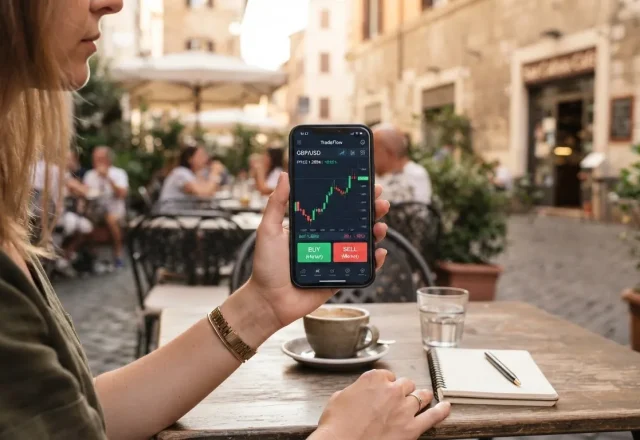
A hot wallet is any wallet whose key lives on an internet-connected device: a mobile app, a browser extension, desktop software. Exchange accounts are a special case — there the exchange holds the key for you.
Hot wallets are good at:
- small, everyday amounts you plan to spend or trade soon;
- connecting to apps, swapping tokens and paying quickly;
- getting started for free in a couple of minutes.
Their weakness is the same thing that makes them handy. Malware, phishing pages and fake browser extensions all target keys that sit on a connected machine.
Cold wallets: offline by design
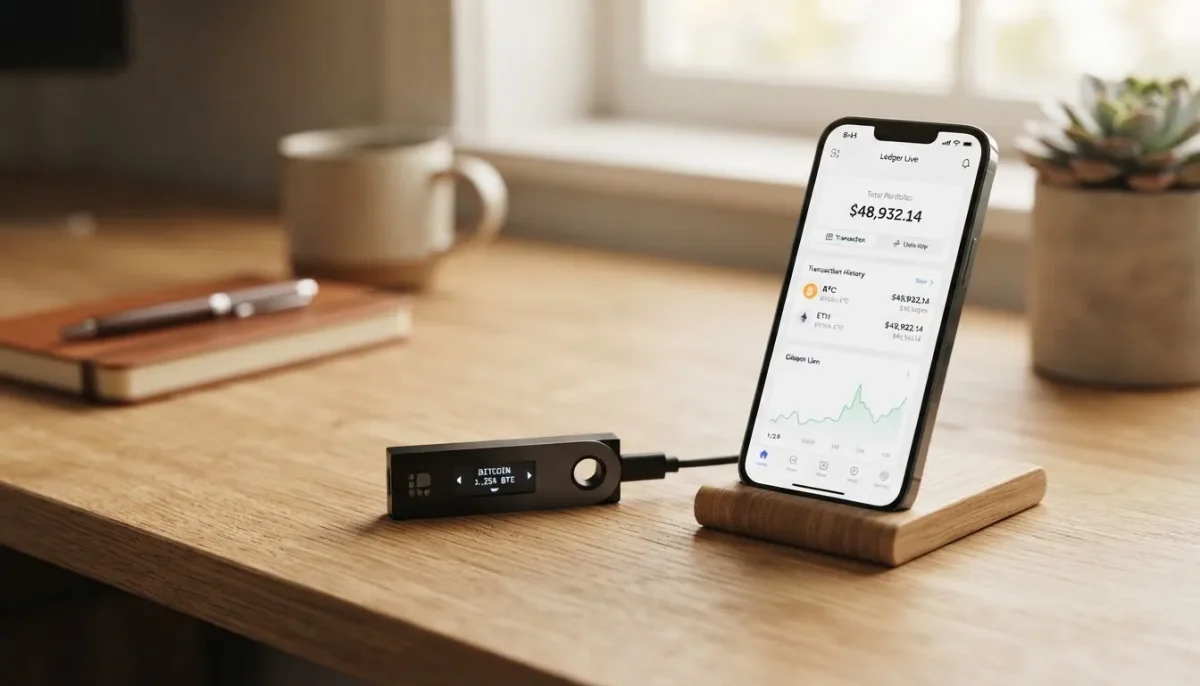
A cold wallet keeps the key away from the internet. The common form is a hardware wallet: a small device that stores the key and signs transactions internally, so the key never touches your computer. A paper wallet or an air-gapped phone works on the same idea, with more room for mistakes.
The trade-offs are practical rather than technical. A hardware wallet costs money, you need it with you to send funds, and buying one second-hand or from an unofficial reseller defeats the point. Order directly from the manufacturer.
Side by side
| Hot wallet | Cold wallet | |
|---|---|---|
| Key location | Phone, computer or exchange | Offline device or paper |
| Cost | Usually free | Device price, typically tens of dollars and up |
| Speed of use | Instant | Need the device at hand |
| Main risk | Hacks, phishing, exchange failure | Losing the device and the recovery phrase |
| Best for | Spending and active trading | Long-term savings |
A setup most people can live with
Think of it like a wallet and a safe at home. Keep what you might use this month in a hot wallet. Move the rest to cold storage and leave it there. If you buy regularly — say, through dollar-cost averaging — you can sweep purchases from the exchange to the cold wallet once a month or once a quarter instead of after every buy.
Whatever you choose, test it with a tiny amount first: send a few dollars’ worth, then send it back. It is the cheapest lesson you will ever pay for.
Not your keys, not your coins: an exchange balance is a promise from the exchange, not money you control.
That old line is worth remembering when a platform asks you to deposit crypto and refuses to let it go — one of the signs we cover in how to spot a fake broker. And if you are holding stablecoins as a parking spot between trades, the same rules apply: they are only as safe as the wallet they sit in.